
How AI Is Transforming Business Operations in 2026
AI is no longer optional. Businesses are redesigning operations using intelligent systems to reduce manual work, improve speed, and scale efficiently.
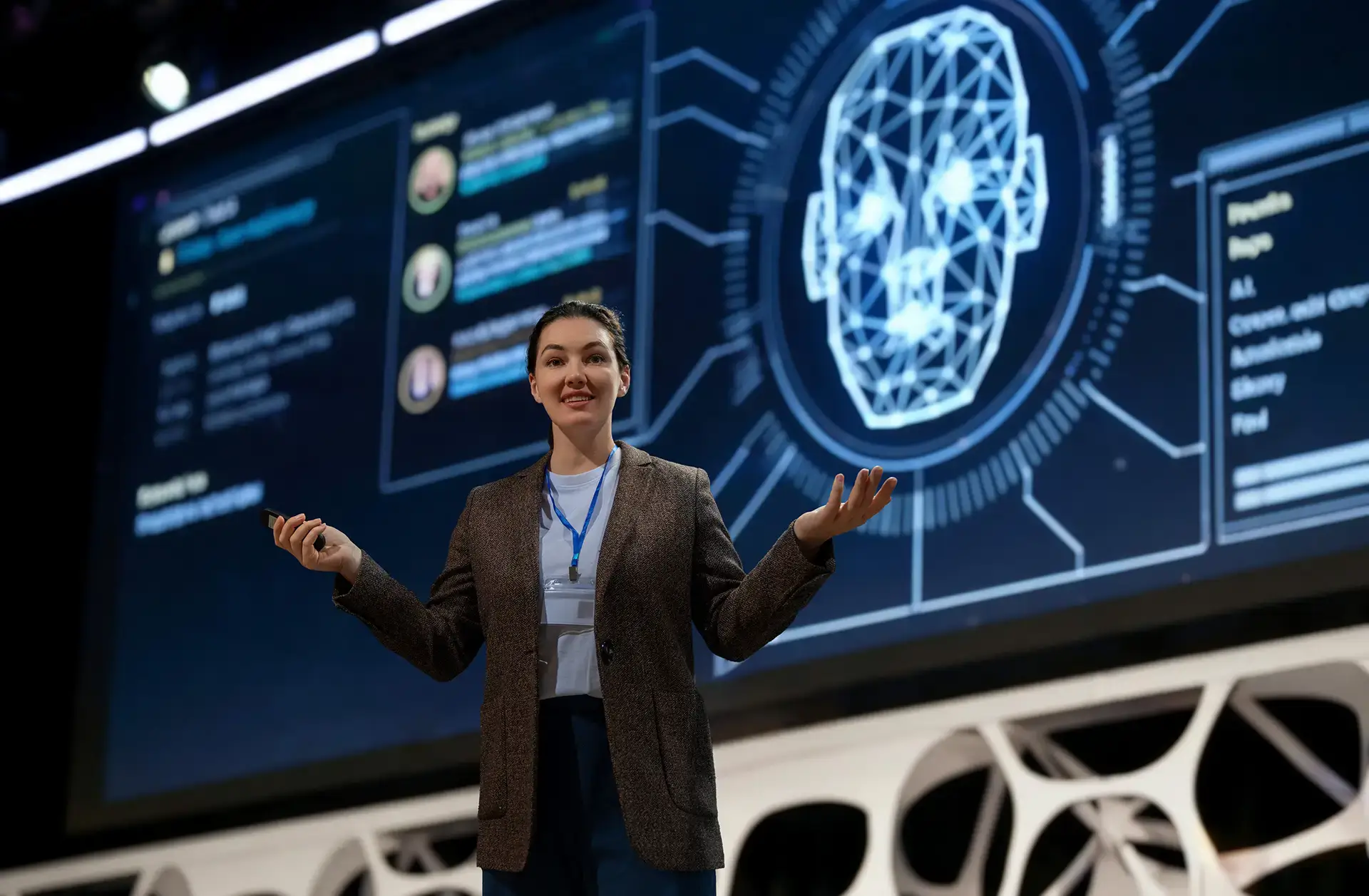
Most businesses today are still running on processes built years ago. Teams rely heavily on manual work, data is scattered across tools, and decisions take time because information is not easily accessible. This slows down operations and increases costs.
Artificial Intelligence is changing this completely. Instead of depending on people for every step, businesses can now use intelligent systems that automate tasks, analyze data, and assist in decision-making. This reduces effort and improves efficiency across operations.
Moving from Manual Work to Intelligent Systems
Many daily business tasks are repetitive — data entry, reporting, approvals, and follow-ups. These tasks take time and are prone to human error. AI-powered automation replaces these steps with systems that run continuously and accurately.
For example, customer queries can be handled instantly using AI assistants. Reports can be generated automatically. Workflows can move forward without waiting for manual input. This creates a faster and more reliable system.
The Role of Data in AI Systems
Businesses generate large amounts of data, but most of it is not used effectively. AI helps organize and process this data, turning it into useful insights. Instead of guessing, businesses can make decisions based on real information.
AI systems can also detect patterns, predict outcomes, and highlight risks. This helps teams act faster and with more confidence.
Connected Systems Create Real Impact
The real power of AI comes when systems are connected. Instead of working in isolation, tools can share data and automate workflows across departments. This removes delays and improves coordination.
At Unichronic Systems, we focus on building these connected AI-driven systems. The goal is to reduce manual work, improve speed, and help businesses scale without increasing complexity.
Conclusion
AI is not just a tool. It is a better way to run your business. By automating workflows, improving data usage, and connecting systems, businesses can operate faster and more efficiently. The future belongs to companies that adopt intelligent systems early.
"Buy commodity functions. Build what differentiates you. AI makes 'build' cheap enough that this is a real option for the first time."
The Risks Are Real
AI-generated code speeds you up. It can also speed you into a mess if you're not disciplined. Architecture standards, small decoupled services, and real CI/CD pipelines still matter.
The 60–80% maintenance trap doesn't care that Copilot wrote your boilerplate.
73%
ERP projects fail
2×
Budget overrun
30%
Features unused
A Third Path
AI-assisted development and composable architecture have created a path that didn't exist before 2023. It requires engineering investment and discipline but for operators tired of spreadsheets or $1M ERP gambles, there's finally a real alternative.
You might also like
How AI-Powered Automation is Reducing Manual Work
Automation is no longer about simple scripts. AI-powered workflows are transforming how businesses handle repetitive tasks and scale operations.
Building Software Faster with AI and Automation
Modern development is no longer slow. AI-assisted workflows are helping teams move from idea to product faster than ever.

Why Data Intelligence is Critical for Modern Businesses
Raw data is not useful. Structured, AI-processed data is what drives real decisions and business growth.

Subscribe to
our newsletter
Join our newsletter to get exclusive insights, timely updates, and expert tips that help grow your business with AI.
Stay Informed
By subscribing you agree to our Privacy Policy